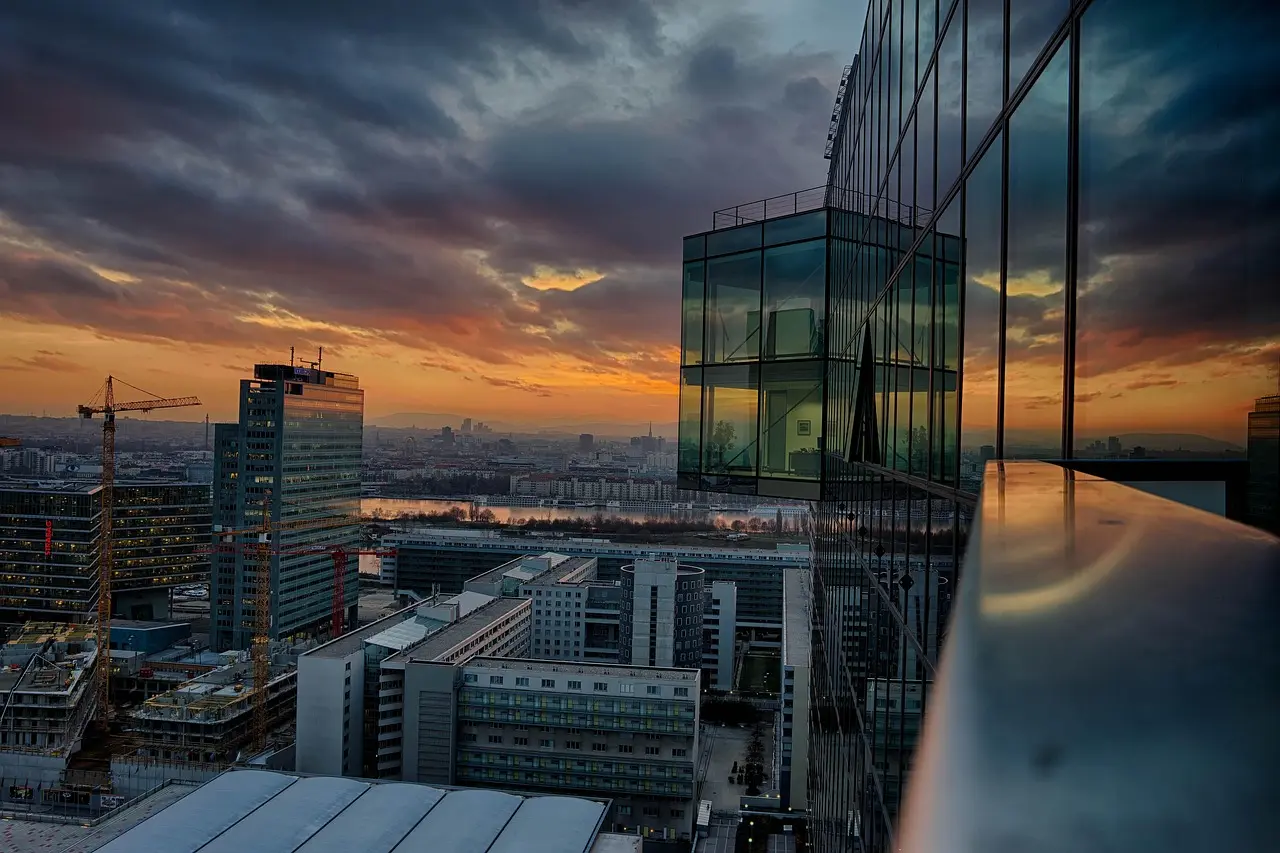
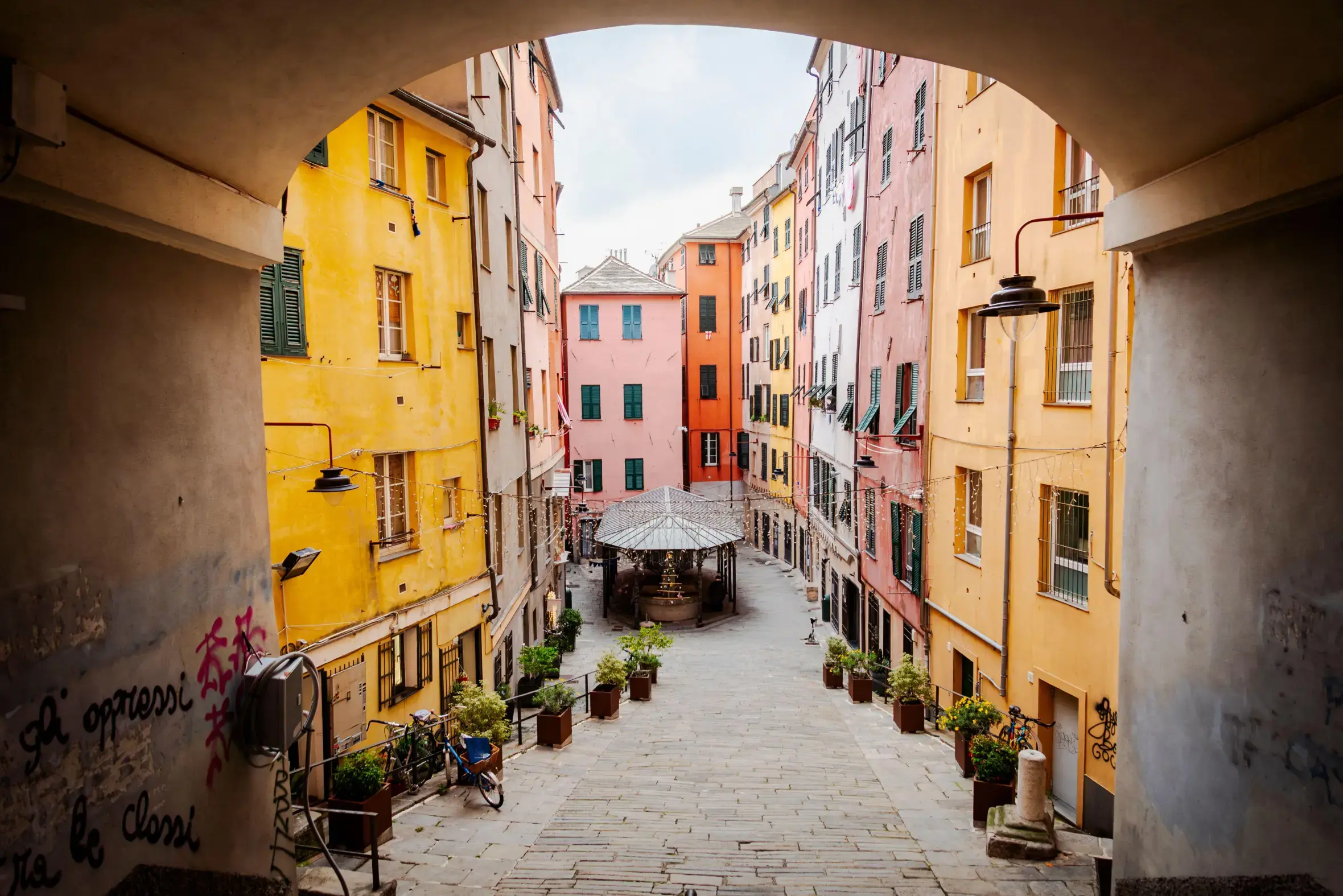
Quiet residential street at dusk seen from an upper corner, warm window lights in stacked facades, a single cyclist passing under a tree, pale sky fading above the rooftops, 1920x1080

Housing, read from the street

Neighborhood Matters More Than Photos: How to Read a Listing and Know Where You Will Wake Up

A photograph can make a room look finished. It cannot tell you how the entrance feels after dark, whether the “short walk” includes a climb, or what starts moving on that block before breakfast. We treat the neighborhood as the first decision, then help you test the wording of the listing against a real day.

Learn More
View from a kitchen window into a narrow courtyard, laundry lines between brick walls, a parked scooter by a side door, late-morning light on worn paving stones, 1400x933

The street comes first

A good room in a hard place still makes a hard stay

People often choose the interior because it is the only part they can see in advance. Soft light, a made bed, and a tidy table are easy to like. The stay, though, is spent leaving and coming back: stairs with a bag, a sidewalk that ends at a wall, a corner that feels empty at noon and crowded after dinner.

We start with the surroundings because that is where the day actually happens. If the block is loud, the beautiful sofa will not fix the sleep. If the walk to food or transit is awkward, the extra closet space will not matter by the third morning. Interior comfort is real, but it is not a substitute for a workable street.

This is not an argument for chasing a “local” atmosphere at any cost. A lively lane can be a pleasure at dusk and a problem at six in the morning. The point is to choose the compromise on purpose: what you will accept for a shorter walk, and what you will not accept for a prettier photograph.

Reading the listing

What the frame leaves out, and what the wording never promises

Listings are written to sound complete. Most of them are only complete about the room. The rest is implied, cropped, or said in phrases that sound precise until you try to walk them.

Photos have a time of day

Midday sun hides wet stone, parked vans, and the shadow of a nearby wall. A wide lens pushes the street farther away than it is. The shot almost never includes the stairwell, the bins, or the slope you will carry a suitcase down.


Familiar phrases have a backside

“Quiet center” can mean a lane that is silent at noon and busy when kitchens close. “A short walk” may ignore stairs, crossings, or a dark stretch without shopfronts. “Near transport” can be a station you hear more than you use.

The missing shot is usually the route

If you cannot see the entrance, the last two corners, or the view from the window at night, treat those gaps as questions. Ask for a photo of the door after dark and a note about what occupies the adjacent lots.

Field notes, counted

What we keep track of when we read a place

These figures come from listing reviews, street checks, and consultations. They are not a score. They show how often the same gaps appear between a polished description and the first evening on the block.

0 Listing phrases unpacked

Recurring lines such as “steps away” and “peaceful street,” each paired with what guests usually meet on the ground.

0 Checks before booking

A short list that covers the entrance, the floor, the last walk, overnight noise, and who else uses the building.

0 Daytime trip patterns

Early starts, late returns, mixed groups, and stays built around one nearby place rather than a wide circuit.

0 Common street surprises

Loading hours, sloping lanes, shared courtyards, and other details that rarely make the photo set.

After the pin is set

The walk, the noise, and the shape of your day

Two listings can sit the same number of minutes apart on a map and still ask for very different mornings. Distance is not the same as the path, and the path is not the same after dark.

01

Walk the line you will actually take

Street view helps, but only if you follow the sidewalks, crossings, and grade changes. A flat eight minutes can become fifteen with a suitcase, a broken curb, or a path that ends at a fence. Check the last block twice: once in daylight, once as a night route.

02

Look for noise that has no icon

Maps mark stations and main roads. They miss school yards, delivery courtyards, extractor fans, and weekend gathering spots. Guest notes about “lively” or “well connected” are often about sound. Ask what faces the bedroom window and when the nearest service door opens.

03

Tie the bed to tomorrow’s route

A central pin is useful only if your day is a loop of nearby stops. If you will spend mornings in one district and evenings in another, a quieter edge with a simple transit walk can be kinder than a pretty room in the middle of someone else’s nightlife.

04

If the area is wrong, sort what can change

Earplugs and a different return time can salvage a loud street. They cannot fix a fourth-floor walk-up when someone in the group cannot manage stairs. Decide early what you can adjust on site and what you would have to live with until departure.

From the desk

Recent articles

Two close readings of problems that look small in a listing and large on the first night. Each piece stays with one question long enough to be used before you book.

Open notebook with handwritten notes beside a printed housing listing on a pale wooden table, a pencil and paper clip resting on the margin, soft daylight from a side window, 1200x800

What “quiet center” usually means when you arrive

4 min read Maren Whitlock

Hosts reach for “quiet center” when the pin is close to everything and the street still has a night life of its own. Maren walks through three listings that used the same phrase and shows which clues in the guest notes pointed to delivery hours, late kitchens, and a lane that only rested at midday.

Read Article
Traveler pulling a wheeled bag up a sloped stone lane between pale houses, long afternoon shadows across the paving, a handrail along one wall and a parked bicycle ahead, 1200x800

When walking time beats the map

5 min read Julian Crowe

Two places sat nine minutes apart on the map. One walk was a flat shop street; the other crossed a set of stairs and a dark service road. Julian reconstructs both routes with a suitcase and explains how to test a pin before the booking is locked.

Read Article
View All Articles

From readers

What changed after they checked the street

Camille Ortega

Museum educator

Rated 5 out of 5

The listing called the street quiet. After we asked about the service door across the lane, the host mentioned weekday loading from five in the morning. We chose a room at the back of the same building and slept through it. That one question saved the week more than any photo of the kitchen.

Bennett Shaw

Physical therapist

Rated 4 out of 5

I travel with a colleague who cannot manage long stair flights with luggage. The map said eight minutes to the market street. Street view showed a stepped lane with no side entrance. We switched to a flatter block farther out and spent less energy just getting home each night.

Rhea Patel

Copy editor

Rated 5 out of 5

I used to skim reviews for adjectives. The guide pushed me toward details: which floor guests mentioned, whether anyone described the door after dark, and who talked about the courtyard. Those notes told me more than the star average. The room was fine. The entrance was the part I needed.

Bring a listing you are not sure about

If the photos look right and the wording still feels slippery, write to us with the link, your usual hours, and who is traveling. We will help you sort the street questions before you confirm.

Request a Consultation

How we work with a place

amesitoidic treats neighborhood choice as a stage of trip preparation. We read listings the way we read streets we live on: slowly, with attention to the walk, the noise, and the parts a camera never shows. Consultations stay practical. We do not promise a flawless block.

A note on how to use this material

amesitoidic publishes guides and offers consultations so travelers can prepare with more care. The material is informational and educational. It describes patterns we see in listings and on streets; it is not a substitute for local rules, a host’s current conditions, or advice from a qualified professional when a booking turns into a legal or safety question.

Before you travel, confirm opening hours, access rules, and any requirement that affects your group directly with the host or the relevant office. Schedules, street works, and house rules change between trips. A note that was accurate last season may not describe the block you meet this time.

We do not give legal advice on contracts, deposits, or disputes. Those questions belong with a specialist who can review the actual agreement. Decisions about where to stay, how to move, and what to accept as a compromise remain yours. amesitoidic is not responsible for outcomes that follow those decisions.